Wildlife Watching Across Coastal Louisiana Marshes
Birding/Eco Tour in New Orleans for observing resident and migratory species in their natural habitat
The Southern Fly leads birding and eco tours through New Orleans marshes and coastal waterways where dolphin, wading birds, raptors, and seasonal migrants concentrate along tidal edges and sheltered bays. You travel by shallow-draft boat to access feeding areas, nesting zones, and migration corridors that remain out of reach from shore. Each outing focuses on species identification, behavioral observation, and understanding how tidal cycles, water clarity, and seasonal patterns influence wildlife activity in Southeast Louisiana.
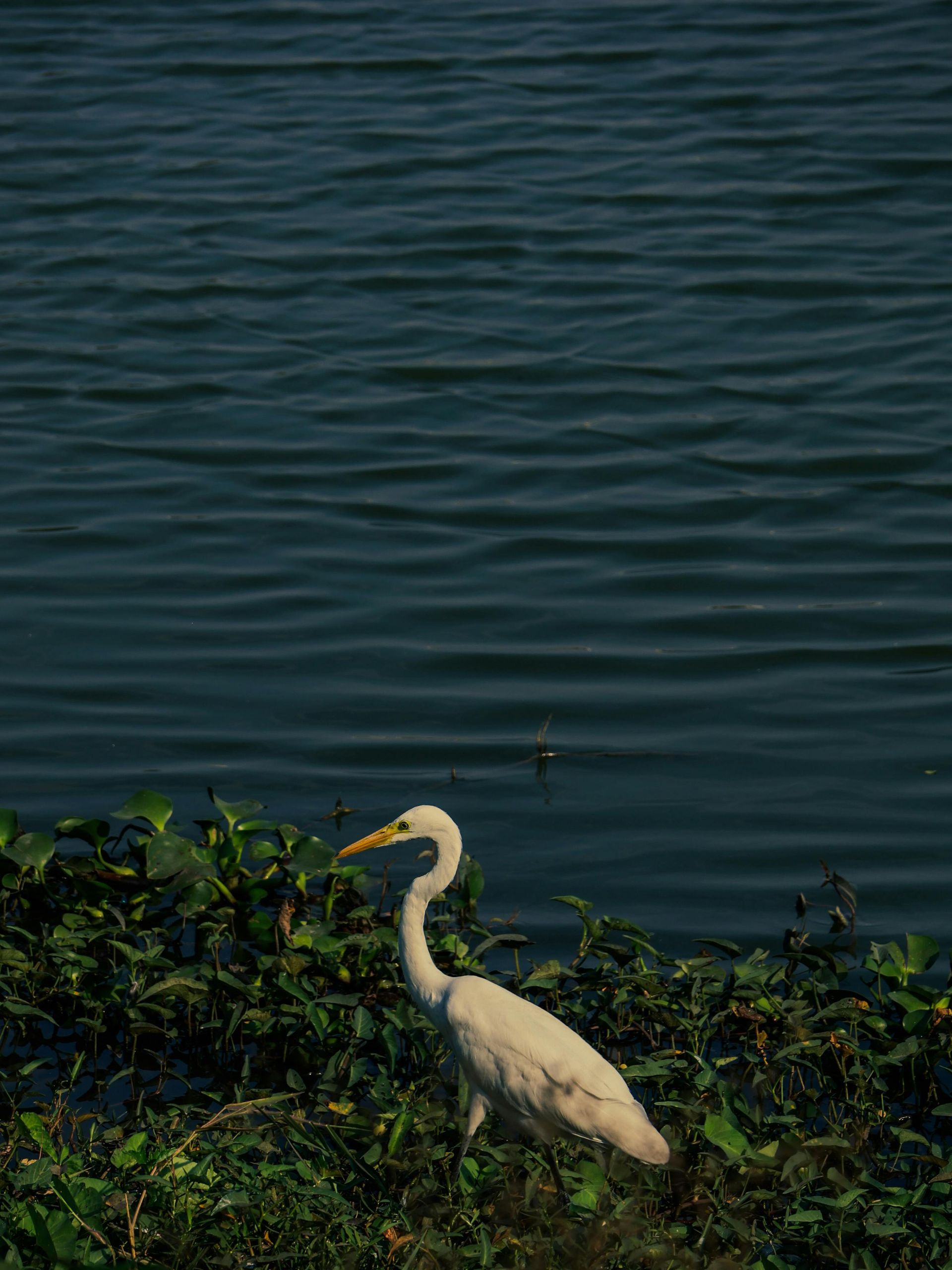
Tours move through environments where brown pelicans, roseate spoonbills, great blue herons, osprey, and laughing gulls share marsh edges with bottlenose dolphin that follow tidal creeks during rising water. The boat positioning allows close observation without disturbing nesting sites or feeding patterns, and the shallow-water access means you encounter species that avoid deeper channels or busier waterways.
Schedule a birding tour to explore coastal wildlife activity during optimal tidal and seasonal windows.
What You See During a Coastal Wildlife Tour
The tour moves through multiple habitat zones in a single outing—open bays where dolphin surface during incoming tides, marsh edges where wading birds stalk shallow pools, and protected shorelines where migratory species rest during spring and fall passage. You observe how each species responds to water depth, current direction, and time of day, and the guide explains what behavioral cues indicate feeding activity, territorial defense, or nesting proximity.
After a few hours on the water, you recognize how tidal flow shapes where birds concentrate, why certain species appear only during specific moon phases, and how seasonal shifts bring different migrants through the same stretches of marsh. The Southern Fly structures each route based on current conditions, so the focus adjusts to what's actively feeding, nesting, or moving through the area that day.
Tours include species identification support, behavioral interpretation, and route adjustments based on real-time wildlife sightings, but they do not include photography equipment or extensive inland hiking components.
Questions About Birding and Eco Tours
These answers address common concerns about timing, species diversity, and what to expect during a coastal wildlife outing.
What species are most commonly seen during these tours?
Brown pelicans, roseate spoonbills, great blue herons, and bottlenose dolphin appear year-round in New Orleans coastal marshes, while migratory songbirds and raptors pass through during spring and fall, creating seasonal variation in sightings.
How do tidal conditions affect wildlife observation?
Rising tides push baitfish and crustaceans into shallow marsh zones, drawing wading birds, dolphin, and feeding flocks to edges where prey concentrates, so tours are scheduled around tidal movement for optimal activity.
What time of day produces the best wildlife activity?
Early morning and late afternoon align with feeding cycles for most coastal birds and dolphin, and lower sun angles reduce glare on the water, improving visibility for distant or fast-moving species.
How close does the boat approach nesting or feeding areas?
The shallow-draft boat allows close positioning without entering protected zones, maintaining legal distances from nesting colonies while providing clear sightlines to feeding behavior and species interaction.
What should participants bring for a comfortable tour?
Polarized sunglasses reduce water glare for better species identification, sun protection and layered clothing accommodate changing conditions, and binoculars improve distant observation, though the boat positioning often allows naked-eye viewing.
The Southern Fly adjusts each birding and eco tour route based on seasonal migrations, recent sightings, and tidal timing to maximize wildlife encounters. Book a tour to observe dolphin, wading birds, and migratory species across New Orleans coastal marshes.