Sight Fishing Redfish in Shallow Louisiana Marshes
Fly Fishing Louisiana in New Orleans for targeting redfish, black drum, sheepshead, and jack crevalle on the fly
Redfish tailing in six inches of water along marsh edges, black drum rooting through oyster beds, and jack crevalle crashing bait on surface—Louisiana's coastal shallows produce the kind of visual, close-range fly fishing that reveals every mistake in presentation and rewards clean casts with aggressive strikes. The Southern Fly guides fly fishing trips through New Orleans marsh systems where you cast to fish you can see, adjusting fly selection and retrieve cadence based on how individual fish respond to movement, color, and sound in clear to slightly stained water.
Each trip focuses on finding fish in feeding mode, reading their behavior before you cast, and delivering flies that match the profile and action of what they're already eating. The boat positions within casting range of oyster bars, grass edges, and tidal cuts where redfish, black drum, sheepshead, and jack crevalle concentrate during specific tidal phases, and you work through the casting, stripping, and line management required to hook fish in shallow water where they spook easily.
Book a guided fly fishing trip to target redfish and other Louisiana inshore species during optimal tidal and seasonal conditions.
What Proper Fly Fishing Requires
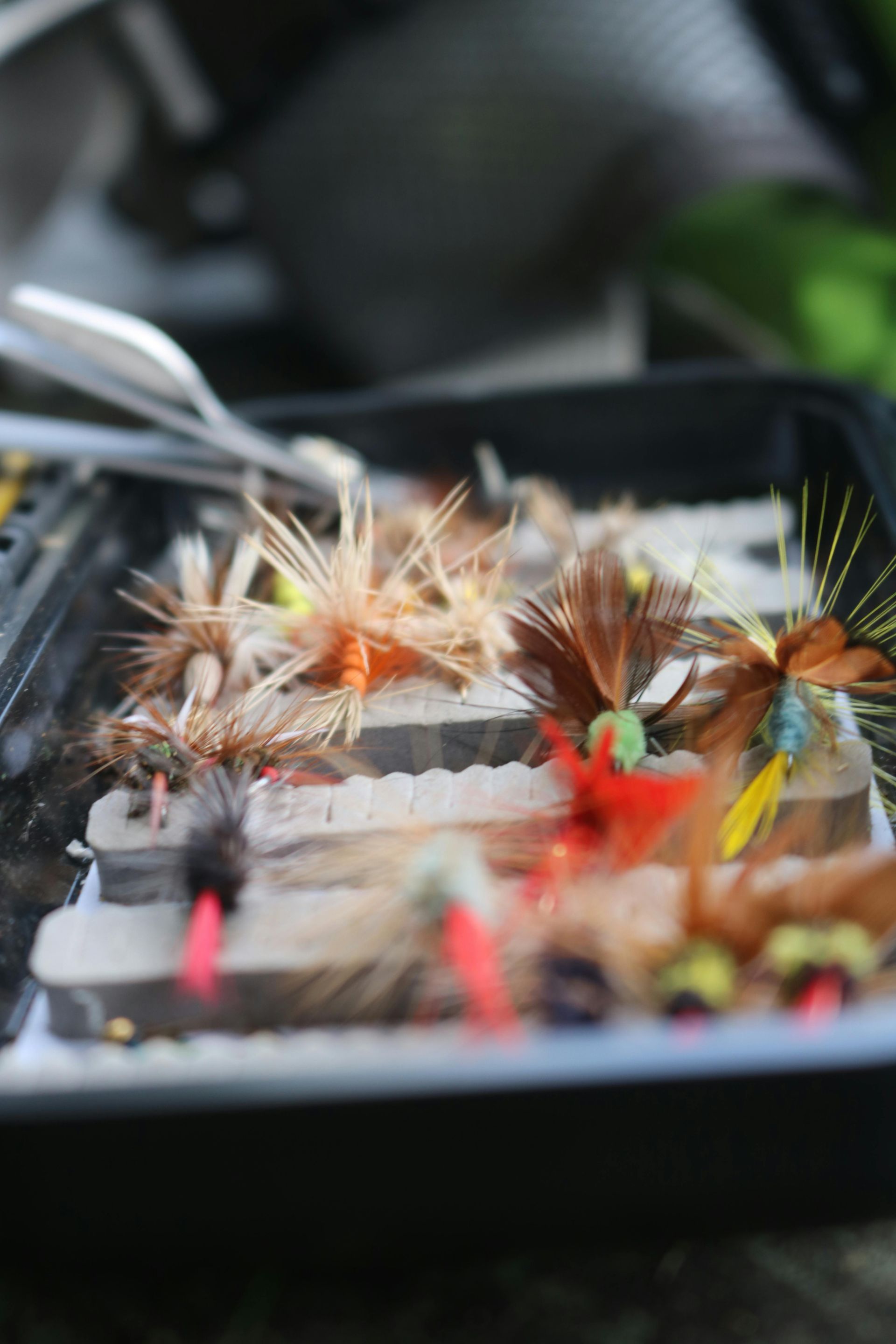
The fishing involves stalking visible targets in water shallow enough to see bottom structure, which means you cast to individual fish rather than blind-casting to likely areas. You select fly patterns based on what's moving through the water column—crabs, shrimp, baitfish—and you adjust retrieve speed and strip length based on how the fish positions itself and how aggressively it's feeding. Occasional shots at tripletail holding near floating debris and shark cruising shallow flats add variety when conditions align.
After a successful trip, you understand how tidal flow dictates where fish feed, why certain flies trigger strikes while others get ignored, and how presentation accuracy matters more than fly selection when fish are actively hunting. The Southern Fly explains what you're seeing on the water—why fish move to certain structures, how water clarity affects their willingness to strike, and what weather shifts signal changes in feeding behavior.
Trips include boat positioning, species identification, fly selection guidance, and real-time instruction on reading fish behavior, but do not provide flies, rods, or other terminal tackle unless arranged in advance.
Answers to Frequent Service Questions
These responses address how Louisiana fly fishing works and what factors influence success on the water.
What makes redfish the primary target for Louisiana fly fishing?
Redfish feed aggressively in extremely shallow water, tolerate a wide range of fly presentations, and grow large enough to test tackle while remaining abundant across New Orleans coastal marshes throughout the year.
How does tidal movement affect where fish are found?
Rising tides push redfish and black drum onto shallow flats and into marsh grass to feed on crabs and shrimp, while falling tides concentrate them along deeper edges and channel mouths where prey gets flushed out.
When is the best season for Louisiana fly fishing?
Spring and fall offer the most consistent shallow-water action and comfortable conditions, though redfish remain catchable year-round, with summer requiring early starts to avoid midday heat and winter demanding awareness of cold-front impacts on fish activity.
What fly rod weight is appropriate for Louisiana inshore fishing?
Eight-weight rods handle the typical wind, fly size, and fish strength encountered in Louisiana marshes, providing enough backbone for redfish and jack crevalle without overpowering smaller black drum or sheepshead.
How close do you get to feeding fish before casting?
Redfish in New Orleans shallows often allow approaches within thirty to forty feet if the boat moves quietly and positioning happens from downwind, but spooky fish in ultra-clear water may require longer, more accurate casts.
The Southern Fly plans each Louisiana fly fishing trip around tidal timing, seasonal patterns, and current fish behavior to maximize sight-fishing opportunities. Schedule a trip to target redfish, black drum, and other inshore species across New Orleans coastal waters.