Casting Skills for Saltwater Fly Fishing
Fly Casting Lesson in New Orleans for anglers building accuracy and distance in wind and current
Saltwater fly fishing in Louisiana marshes requires casting into wind, delivering flies to moving targets, and handling line in tidal current—conditions that expose weaknesses in loop control, timing, and power application. The Southern Fly offers fly casting lessons that address these specific challenges, working through stance, stroke mechanics, and line management until you can place a fly accurately at forty feet in fifteen-knot wind. Lessons take place in New Orleans, either on the water or in controlled practice settings, depending on your experience level and what skills need correction.
Each session focuses on diagnosing casting faults—tailing loops, wide loops, inconsistent distance—and adjusting rod path, wrist angle, and haul timing to produce tight, efficient casts that carry weighted flies and hold up against coastal wind. You work through the mechanics that separate short, accurate casts from long, controlled presentations, and you practice the shooting and mending techniques that keep flies in feeding zones longer.
Arrange a casting lesson to improve accuracy, distance, and wind performance before your next fishing trip.
How Casting Instruction Addresses Common Problems
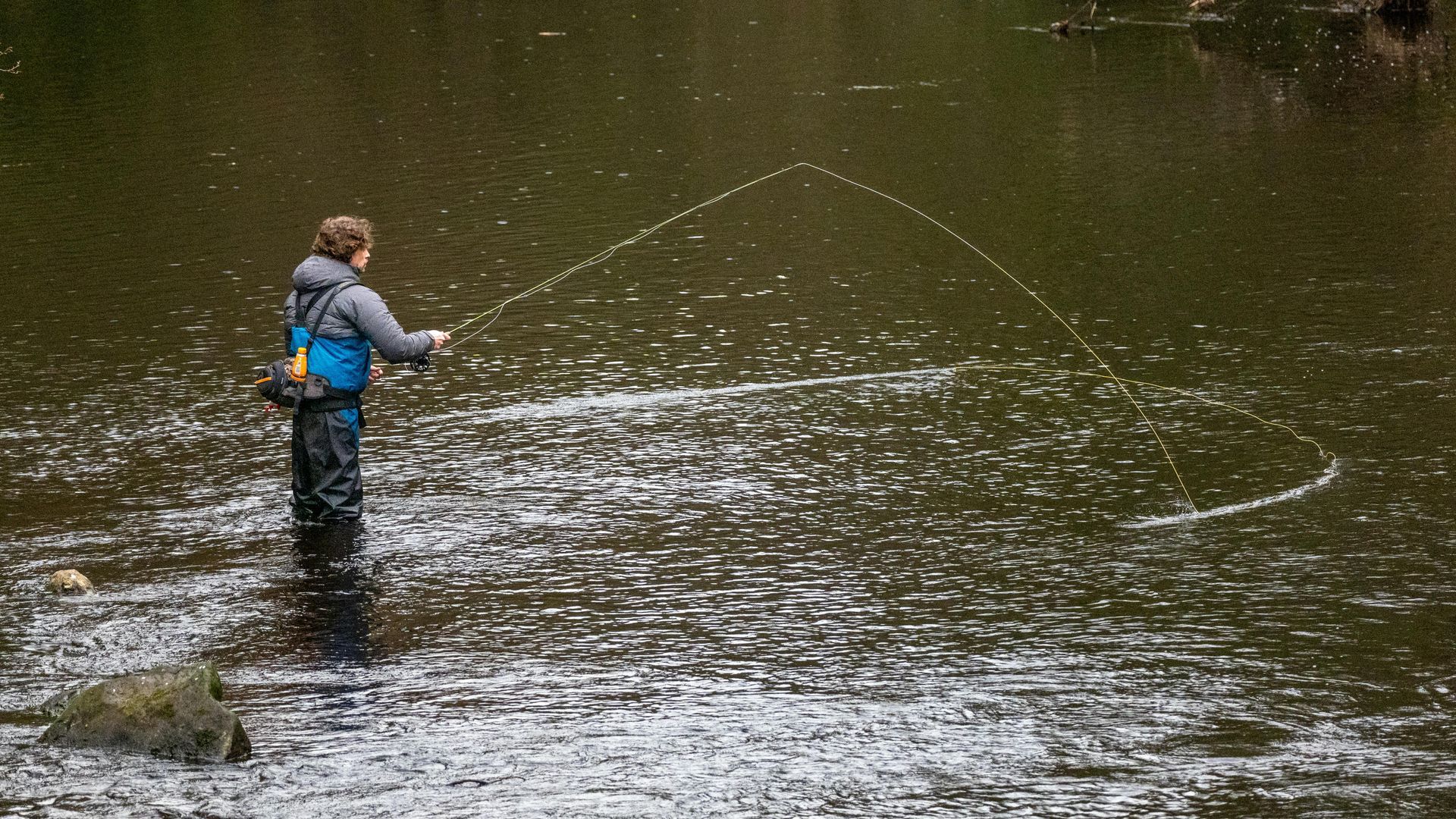
The lesson identifies what's causing your casting problems—whether it's early wrist break, insufficient line speed, poor timing between backcast and forward stroke, or incorrect haul application—and works through corrections until the loop tightens and the line extends cleanly. You practice the specific casts saltwater fishing demands: tight loops into wind, curve casts around structure, and quick-loading casts to fish that appear suddenly within range.
Once the mechanics smooth out, you notice longer casts require less effort, wind affects your presentations less dramatically, and you can place flies inside narrow windows where redfish and other species feed along marsh edges. The improvements show up immediately when you return to the water, particularly in situations where poor casting previously cost you shots at visible fish.
Instruction covers casting stroke fundamentals, line management, hauling techniques, and wind compensation, but does not include rod selection guidance, knot tying, or fly fishing strategy beyond what's necessary to practice casting effectively.
Common Casting Lesson Questions
These answers clarify what happens during instruction and how it applies to saltwater fly fishing conditions.
What casting problems are most common among saltwater anglers?
Tailing loops, inconsistent distance, and difficulty casting into wind typically result from poor rod path, early wrist rotation, or weak hauling mechanics, all of which can be corrected through focused stroke adjustment.
How long does it take to see improvement in casting performance?
Most anglers notice tighter loops and better distance control within a single session once stroke timing and haul coordination are corrected, though building muscle memory requires practice beyond the lesson.
What equipment is needed for a casting lesson?
You can bring your own saltwater fly rod and line, or use provided equipment if you're evaluating gear options or don't yet own a setup suitable for coastal conditions.
How does wind in New Orleans affect casting instruction?
Steady coastal wind provides realistic practice conditions, allowing you to learn compensating techniques—tighter loops, side-arm angles, and power adjustments—that directly improve your ability to fish during typical marsh outings.
What's the difference between basic casting and saltwater casting?
Saltwater casting demands longer distances, heavier flies, and consistent performance in wind, requiring stronger hauling, better loop control, and faster line speed than freshwater casting typically involves.
The Southern Fly tailors each fly casting lesson to the specific faults limiting your performance and the conditions you'll face on the water. Request a lesson to refine your stroke mechanics and build the casting skills saltwater fishing requires.